Tattoo Butterfly Font Review
A Sketchy Charm for Creative Projects
There’s a moment in every design project when you open a blank brand board and feel the weight of the task ahead. That was me last week, staring at a fresh canvas for a boutique identity project. I needed something that felt personal, artistic, and just a little bit whimsical. That’s when I reached for Tattoo Butterfly. It wasn’t just a font—it was a mood.
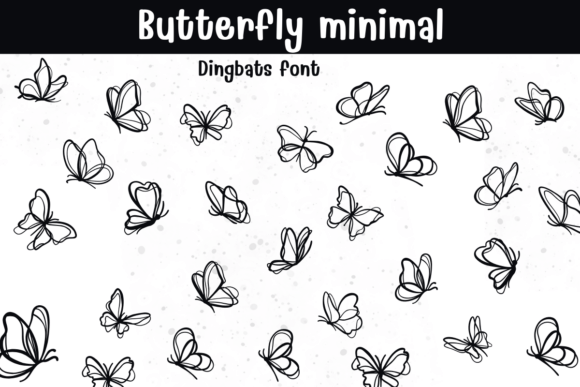
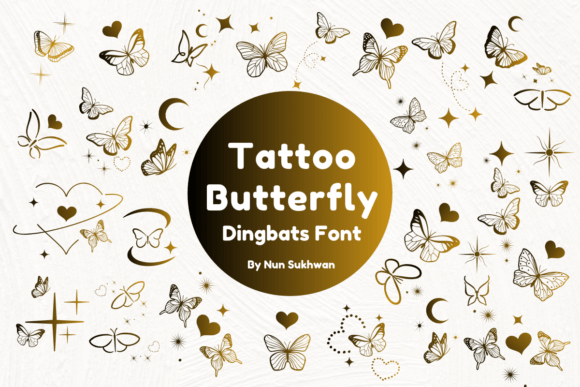
Tattoo Butterfly is a dingbats font with a sketch style that feels like it was drawn by hand, with all the imperfections and charm that come with it. The characters are loose, playful, and full of character. It doesn’t try to be perfect; it embraces the organic flow of a sketch. This makes it incredibly versatile for creative projects where personality and visual storytelling matter more than strict typography rules.
Testing It in Real Design Work
I used Tattoo Butterfly on the logo concept for a local café that wanted to evoke a sense of warmth and nostalgia. The font worked beautifully as a headline, adding a touch of elegance without being too formal. It paired well with a simple sans serif body text, creating a nice contrast between the decorative and the clean.
On the brand board, I experimented with using it for taglines, social media headers, and even product labels. Its sketchy nature made it stand out in a way that felt authentic. However, I noticed that at smaller sizes, some of the strokes could become less legible. It’s definitely not a font you’d use for long body text or dense information sections.
One of my favorite uses was on a packaging mockup. The font added a subtle but effective visual interest to the label, making it feel more handcrafted and unique. It didn’t overpower the design but rather complemented it, which is a big plus for any designer looking to add a touch of personality without losing clarity.
Font Pairing and Branding Applications
When pairing Tattoo Butterfly, I found that it works best with fonts that have a similar level of creativity and personality. A modern sans serif like Montserrat or a classic serif like Playfair Display can help balance its playful nature while maintaining readability.
This font is ideal for logos, social media graphics, wedding invitations, DIY crafts, and other creative projects where a touch of artistry is welcome. It also has a strong presence in editorial design, especially for short headlines or quotes that need to catch attention quickly.
However, I wouldn’t recommend using Tattoo Butterfly for corporate branding or anything that requires a high level of professionalism. Its informal style might not align with the expectations of a more traditional or formal brand. That said, for creative studios, handmade shops, or small businesses with a more casual vibe, this font is a fantastic choice.
Practical Considerations and Licensing
Before using Tattoo Butterfly in client work, I always check the commercial licensing details. Fonts can be tricky when it comes to usage rights, especially if they’re being used across multiple platforms or print-on-demand products. Make sure you understand the terms and conditions to avoid any legal issues down the line.
Also, consider testing the font in different contexts before finalizing your design. How does it look on a business card? On a website header? In a social media post? These are all important questions to ask yourself to ensure the font serves its purpose effectively.
Final Thoughts on Tattoo Butterfly
Tattoo Butterfly is more than just a font—it’s a creative tool that adds personality and charm to your designs. Whether you’re working on a logo, a social media graphic, or a product label, this font can bring a unique flair that stands out in a crowded market.
If you’re looking for a font that balances creativity with practicality, Tattoo Butterfly is worth considering. Just remember to use it wisely, pair it thoughtfully, and always check the licensing details before going live with your design.